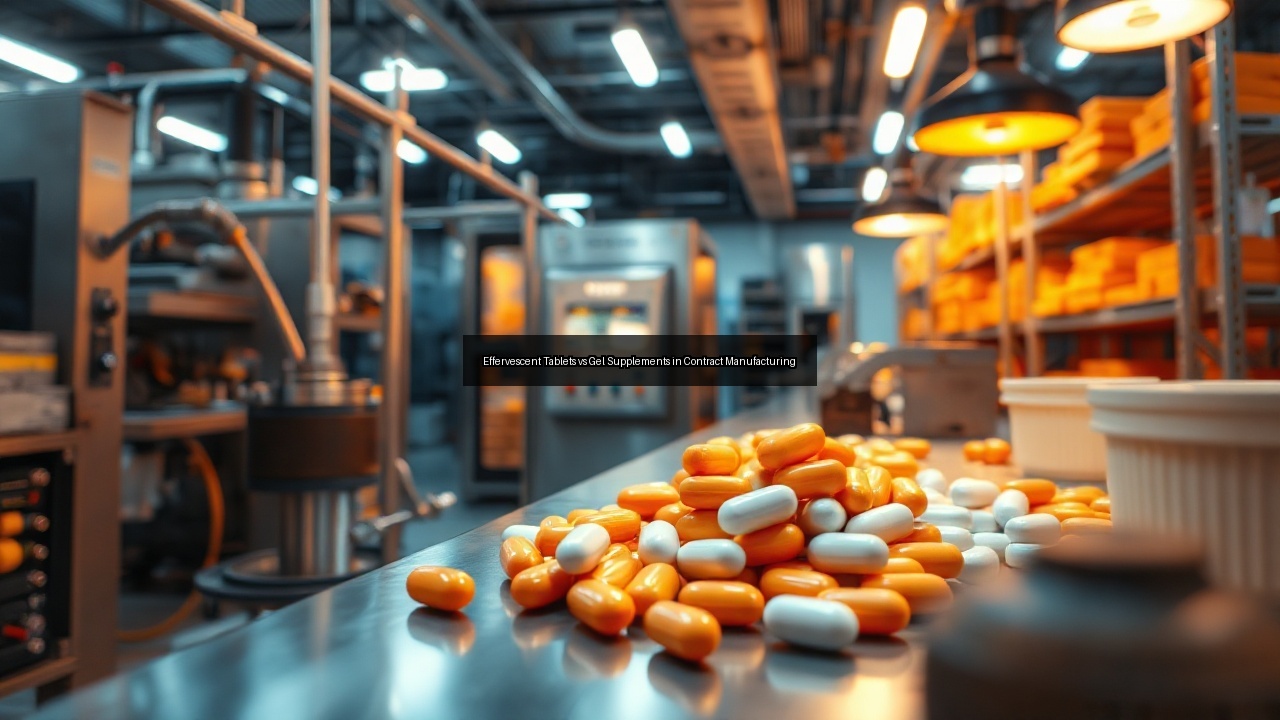
Effervescent Tablets vs Gel Supplements in Contract Manufacturing
Understanding the Landscape of Contract Supplement Manufacturing
The Role of Contract Manufacturers in the Supplement Industry
Contract manufacturers play a crucial role in the supplement industry, acting as the backbone for brands looking to bring their products to market without investing heavily in production facilities. These manufacturers specialize in producing a wide range of dietary supplements, from vitamins and minerals to herbal extracts and protein powders. By leveraging their expertise in formulation, quality control, and regulatory compliance, contract supplement manufacturers enable businesses to focus on marketing and sales while outsourcing the complexities of production.
Many brands partner with contract manufacturers to access advanced manufacturing technologies and industry know-how. This collaboration allows for the development of unique formulations that meet specific consumer needs, whether the product is an effervescent tablet or a gel supplement. Additionally, contract manufacturers often have established supply chains that ensure the acquisition of high-quality raw materials, further enhancing the integrity of the final product. Overall, their role extends beyond mere production; they also contribute to innovation and efficiency within the supplement market.
Key Players in Contract Supplement Manufacturing
The landscape of contract supplement manufacturing features a variety of key players, each bringing unique strengths and capabilities to the table. Large manufacturers often dominate the market by offering a broad range of services that include product development, packaging, labeling, and distribution. These companies typically have the resources to invest in advanced technology and research, allowing them to stay ahead of trends and regulatory requirements.
On the other hand, smaller niche manufacturers may focus on specialized products or specific dosage forms, such as effervescent tablets or gel supplements. These companies often excel in custom formulations, catering to brands looking to differentiate themselves in a crowded marketplace. As consumer demand for personalized supplements grows, the significance of both large and small contract manufacturers increases. They collectively drive innovation and ensure a vibrant, diverse supplement industry that meets varying consumer preferences and needs.
Comparative Analysis: Effervescent Tablets vs Gel Supplements
Benefits of Effervescent Tablets
Effervescent tablets stand out in the supplement world due to their unique delivery method. The fizzing action that occurs when the tablet dissolves in water not only makes these supplements more palatable but can also enhance absorption. The dissolution process allows for quicker uptake of nutrients, which can be particularly beneficial for those seeking immediate effects, such as hydration or energy replenishment. This rapid bioavailability makes effervescent tablets a popular choice among athletes and active individuals.
Additionally, effervescent tablets often come with added flavoring and carbonation, making them an enjoyable alternative to traditional pills and powders. This characteristic appeals to a broader audience, including children and those who struggle with swallowing tablets. Moreover, effervescent formulations can incorporate a wide range of ingredients, including vitamins, minerals, and herbal extracts, thus catering to various health needs. The versatility of effervescent tablets positions them as a compelling option in the supplement manufacturing landscape.
Advantages of Gel Supplements
Gel supplements offer their own set of advantages that make them appealing to consumers and manufacturers alike. The gel format allows for a smooth texture and easy consumption, making them ideal for those who dislike traditional tablets or capsules. Gel supplements can also provide a concentrated dose of nutrients, which may enhance efficacy. Users often report feeling the benefits of gel supplements more quickly, as the gel format can facilitate faster digestion and absorption.
Moreover, gel supplements can be formulated with a variety of flavors and ingredients, allowing brands to create innovative products that cater to specific health goals. This flexibility in formulation can help brands differentiate themselves in a competitive market. Additionally, the manufacturing process for gel supplements can be more forgiving than that of effervescent tablets, allowing for longer shelf life and better stability. As consumer preferences continue to evolve, gel supplements are likely to gain traction among those seeking convenience and effectiveness in their dietary choices.
Dosage Form Considerations in Supplement Manufacturing
When it comes to supplement manufacturing, dosage form plays a pivotal role in determining product success. Each dosage form, whether effervescent tablets or gel supplements, comes with its own set of formulation challenges and production requirements. For effervescent tablets, manufacturers need to consider the balance of active ingredients and effervescing agents, ensuring a consistent fizzing effect upon dissolution. This requires precise formulation and quality controls to maintain the desired characteristics of the product.
In contrast, gel supplements necessitate a focus on the gelling agents and preservatives used in the formulation. Manufacturers must ensure that the gels maintain their texture and stability over time. Both forms require rigorous testing and quality assurance protocols to meet regulatory standards and consumer expectations. Understanding the nuances of each dosage form allows contract supplement manufacturers to optimize production processes and deliver high-quality products that resonate with consumers.
Quality Control and Inventory Management in Supplement Manufacturing
Implementing Quality Controls for Different Dosage Forms
Quality control remains a cornerstone of effective contract supplement manufacturing. For effervescent tablets, manufacturers implement strict quality controls to ensure that each tablet performs consistently, dissolving properly and delivering the intended dosage of active ingredients. This involves rigorous testing at multiple production stages, from raw material sourcing to final product testing. Manufacturers must adhere to Good Manufacturing Practices (GMP) to ensure that their processes result in safe, effective products.
Gel supplements also require meticulous quality control measures. Manufacturers must monitor the viscosity and stability of the gel to ensure product integrity and consumer satisfaction. This involves testing for consistency and ensuring that the gel does not separate over time. Both dosage forms benefit from advanced technologies that facilitate real-time monitoring during production, allowing for immediate adjustments to maintain quality standards. By prioritizing quality controls, contract supplement manufacturers build trust with brands and consumers, ultimately enhancing their reputation in the market.
Inventory Challenges for Effervescent Tablets vs Gel
Inventory management presents unique challenges for manufacturers of effervescent tablets and gel supplements. Effervescent tablets require careful storage conditions to prevent degradation of active ingredients and ensure optimal shelf life. Manufacturers must manage inventory levels effectively to avoid overproduction, which can lead to excess stock that may expire before sale. This requires a keen understanding of market demand and consumer trends to ensure that production aligns with sales forecasts.
Gel supplements also face inventory challenges, particularly regarding their sensitivity to temperature and humidity. These factors can impact the consistency and efficacy of the product. Manufacturers must implement stringent inventory controls to monitor environmental conditions and protect the integrity of gel supplements. An effective inventory management system allows manufacturers to track stock levels, manage expiration dates, and streamline production schedules, ensuring that products remain fresh and effective when they reach consumers.
Sustainability in Supplement Manufacturing: A Closer Look
Eco-friendly Practices Among Contract Manufacturers
As consumers grow increasingly conscious of environmental impact, sustainability has become a significant focus in contract supplement manufacturing. Many manufacturers are adopting eco-friendly practices to reduce their carbon footprint and promote a healthier planet. These practices include sourcing raw materials from sustainable suppliers, implementing energy-efficient production processes, and utilizing biodegradable packaging. By prioritizing sustainability, contract manufacturers not only attract environmentally conscious consumers but also contribute to a more sustainable industry overall.
Some manufacturers are exploring innovative alternatives to traditional ingredients, such as plant-based sources that reduce reliance on synthetic compounds. By focusing on sustainability, these manufacturers demonstrate a commitment to quality and environmental responsibility. This trend reflects a broader shift in the supplement industry, as brands seek to align themselves with consumer values and preferences. The push toward sustainability will likely continue to shape the future of supplement manufacturing.
The Future of Sustainable Supplements
The future of sustainable supplements looks promising as both manufacturers and consumers embrace eco-friendly practices. Contract supplement manufacturers that prioritize sustainability will likely gain a competitive edge in an increasingly crowded market. Innovations in formulation and packaging will continue to evolve, driven by consumer demand for greener options. Manufacturers may adopt technologies that minimize waste and enhance efficiency, allowing them to produce high-quality supplements while reducing their environmental impact.
Additionally, the emphasis on transparency in sourcing and production will grow. Consumers want to know where their supplements come from and how they are made. As a result, manufacturers will need to implement rigorous traceability systems to provide consumers with the information they seek. The integration of sustainability into the core of supplement manufacturing will not only foster consumer trust but also pave the way for a more responsible and resilient industry in the years to come.