Exploring the Lifespan of Galvanized vs Stainless Steel Materials
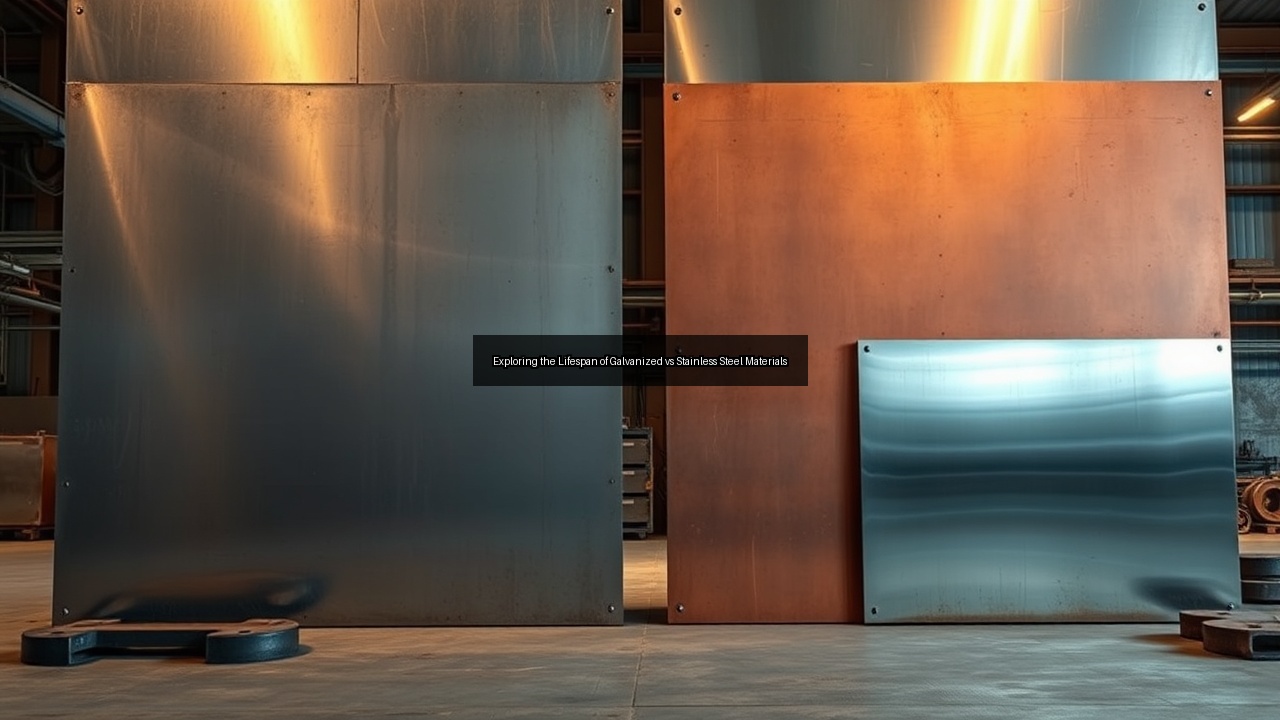
Understanding Galvanized Steel and Stainless Steel
What is Galvanization?
Galvanization refers to the process of applying a protective zinc coating to steel or iron. This method prevents corrosion and extends the life of the metal, making it ideal for various applications. The galvanizing process typically involves hot-dip galvanization, where steel is submerged in molten zinc, creating a robust bond. This coating acts as a barrier, preventing moisture and oxygen from reaching the underlying steel, which significantly reduces the risk of rusting. The initial appearance of galvanized steel includes a characteristic shiny finish that can evolve into a dull gray over time as the zinc layer oxidizes. Thus, galvanization plays a critical role in enhancing the durability of steel in outdoor or harsh environments.
Characteristics of Stainless Steel
Stainless steel, a popular alloy of iron, carbon, and chromium, boasts remarkable properties that set it apart from other metals. The inclusion of chromium, typically at least 10.5%, provides stainless steel with its signature corrosion resistance. This material remains resilient against rust and staining, making it a favored choice for both aesthetic and practical applications. Stainless steel also exhibits high tensile strength, excellent ductility, and outstanding weldability, allowing for diverse fabrication techniques. Furthermore, its ability to withstand extreme temperatures and its non-reactive nature make it ideal for food processing and medical environments. The sleek, polished finish of stainless steel also contributes to its visual appeal, making it a preferred option in architecture and design.
Comparative Overview of Properties
When comparing galvanized steel vs stainless steel, several key properties emerge that can influence material choice. Galvanized steel offers excellent corrosion resistance due to its zinc coating but can be prone to wear and tear if that coating is compromised. On the other hand, stainless steel inherently resists corrosion and requires no additional protective coating, making it suitable for more demanding applications. In terms of strength, stainless steel generally outperforms galvanized steel, particularly in high-stress environments. Furthermore, while galvanized steel is lighter and less expensive, stainless steel provides greater longevity and requires less maintenance, which can justify its higher initial cost. Ultimately, the selection between these two metals hinges on specific project requirements, environmental conditions, and budget constraints.
Lifespan and Durability of Galvanized vs Stainless Steel
Corrosion Resistance: A Key Factor
Corrosion resistance ranks as a primary factor when evaluating the lifespan of galvanized steel versus stainless steel. Galvanized steel effectively resists corrosion due to its protective zinc layer, yet this coating can wear down over time, especially in harsh environments. If the zinc layer becomes scratched or damaged, the underlying steel is exposed to moisture and oxygen, leading to rust formation. Conversely, stainless steel's intrinsic properties offer superior corrosion resistance, allowing it to withstand moisture, chemicals, and salt without corroding. This makes stainless steel an ideal material for applications in coastal areas, chemical processing plants, and other environments where exposure to corrosive elements is frequent. Therefore, in terms of longevity, stainless steel often outlasts galvanized steel, particularly in settings prone to aggressive corrosion.
Impact of Environmental Conditions
Environmental conditions significantly impact the lifespan of both galvanized and stainless steel. Factors such as humidity, temperature fluctuations, and exposure to corrosive substances can accelerate deterioration. For example, galvanized steel performs well in dry environments but may struggle in humid coastal areas where salt exposure is common. Over time, the zinc coating may degrade, necessitating maintenance or replacement. In contrast, stainless steel excels in challenging environments due to its inherent resistance to rust and corrosion. Even in adverse conditions, stainless steel maintains its structural integrity and aesthetic appeal. Industries such as food processing, pharmaceuticals, and marine applications favor stainless steel for its ability to endure harsh conditions without significant degradation. Understanding these environmental factors helps inform choices when selecting between galvanized and stainless steel for specific applications.
Lifespan in Different Applications
The lifespan of galvanized steel vs stainless steel varies significantly across different applications. For less demanding environments, galvanized steel may provide adequate performance, often lasting 10 to 20 years before signs of corrosion become evident. Applications like fencing, roofing, and outdoor furniture commonly utilize galvanized steel due to its cost-effectiveness and sufficient durability. However, in more critical applications, such as pressure vessels, pipelines, or chemical storage, stainless steel shines. Its lifespan can extend beyond 30 years, even in harsh conditions. Consequently, industries that prioritize safety and longevity, such as aerospace and medical, tend to favor stainless steel for its durability and resistance to failure. Evaluating the intended application and potential stresses on the material informs the best choice between galvanized and stainless steel.
Applications and Uses in the Metal Industry
Sheet Metal and Steel Plates
In the metal industry, both galvanized steel and stainless steel find extensive use in sheet metal and steel plate applications. Galvanized steel sheets, known for their affordability, are commonly used in construction, automotive parts, and appliances. Their lightweight nature and corrosion resistance make them ideal for outdoor applications where exposure to the elements is a concern. However, for applications requiring higher strength or aesthetic appeal, stainless steel sheets present a superior alternative. Used in architectural design, kitchen equipment, and medical devices, stainless steel enhances both durability and visual appeal. Laser cutting techniques allow for precise fabrication of both materials, ensuring they meet specific design requirements. Ultimately, the choice of galvanized vs stainless steel for sheet metal and plates hinges on budget considerations and the specific demands of the application.
Pressure Vessels and Fasteners
Pressure vessels and fasteners represent critical applications within the metal industry, where material selection directly impacts safety and performance. Galvanized steel can be used in certain pressure vessels, particularly those not subjected to extreme pressure or corrosive environments. However, for high-stress applications, stainless steel emerges as the preferred choice due to its superior strength and corrosion resistance. Fasteners made from stainless steel are highly sought after in construction and manufacturing due to their ability to withstand environmental challenges without degrading. Additionally, the weldability of stainless steel allows for versatile joining methods, making it suitable for complex assemblies. In contrast, galvanized fasteners may require careful consideration regarding their corrosion resistance, especially in humid or saline environments. Thus, for pressure vessels and fasteners, stainless steel often provides a more reliable and durable solution.
Weldability and Fabrication Techniques
Weldability stands as a crucial factor in the selection of metals for various fabrication techniques. Stainless steel offers excellent weldability, allowing for seamless integration in complex structures. Its ability to maintain strength at weld joints ensures structural integrity in demanding applications. Techniques such as TIG and MIG welding are commonly employed to join stainless steel components, creating durable connections. On the other hand, galvanized steel presents challenges in welding due to its zinc coating. Welding galvanized steel can release toxic fumes and compromise the protective layer, leading to corrosion at the weld site. Pre-welding treatments, such as removing the zinc coating, are necessary to ensure effective bonding. Nevertheless, both materials lend themselves to modern fabrication techniques, including laser cutting and CNC machining, allowing for precision manufacturing tailored to specific needs.
Economic and Sustainability Considerations
Cost Analysis: Prices of Galvanized and Stainless Steel
The economic comparison between galvanized steel and stainless steel significantly influences material choice in various industries. Galvanized steel typically costs less upfront, making it an attractive option for projects with budget constraints. The galvanization process adds a layer of protection, extending the life of the steel without significant increases in price. However, the long-term costs may favor stainless steel due to its durability and low maintenance requirements. In environments prone to corrosion, stainless steel may eliminate the need for periodic replacement or repairs, ultimately saving money over time. When analyzing prices, consider not only the initial purchase cost but also the expected lifespan and maintenance expenses associated with each material. Understanding these economic factors helps stakeholders make informed decisions based on their specific project needs.
Sustainability in Steel Production
Sustainability emerges as a critical consideration in steel production, particularly regarding the environmental impact of galvanized vs stainless steel. The production of stainless steel, while energy-intensive, often incorporates recycled materials, reducing its carbon footprint. Modern steel production techniques, such as electric arc furnaces, further enhance sustainability by utilizing scrap metal as a primary raw material. In contrast, galvanized steel production involves additional processes, including the application of zinc, which can have environmental implications. However, the protective qualities of galvanized steel contribute to sustainability by prolonging the life of the material, thus reducing waste. Organizations increasingly prioritize sustainability in their material choices, and understanding the environmental impact of steel production can guide responsible decision-making.
Risks and Benefits of Each Material
Both galvanized steel and stainless steel present unique risks and benefits that inform their respective applications. Galvanized steel excels in affordability and ease of use, making it suitable for numerous applications. However, its susceptibility to corrosion and limitations in high-stress environments pose risks that must be acknowledged. In contrast, stainless steel offers unmatched durability and corrosion resistance, ideal for critical applications. Yet, its higher cost can deter budget-sensitive projects. Weighing these risks and benefits enables stakeholders to select the right material for their specific needs. Factors such as environmental conditions, application requirements, and long-term sustainability considerations will ultimately dictate whether galvanized steel or stainless steel is the appropriate choice for each project.