The Importance of Material Selection in Injection Molding Success
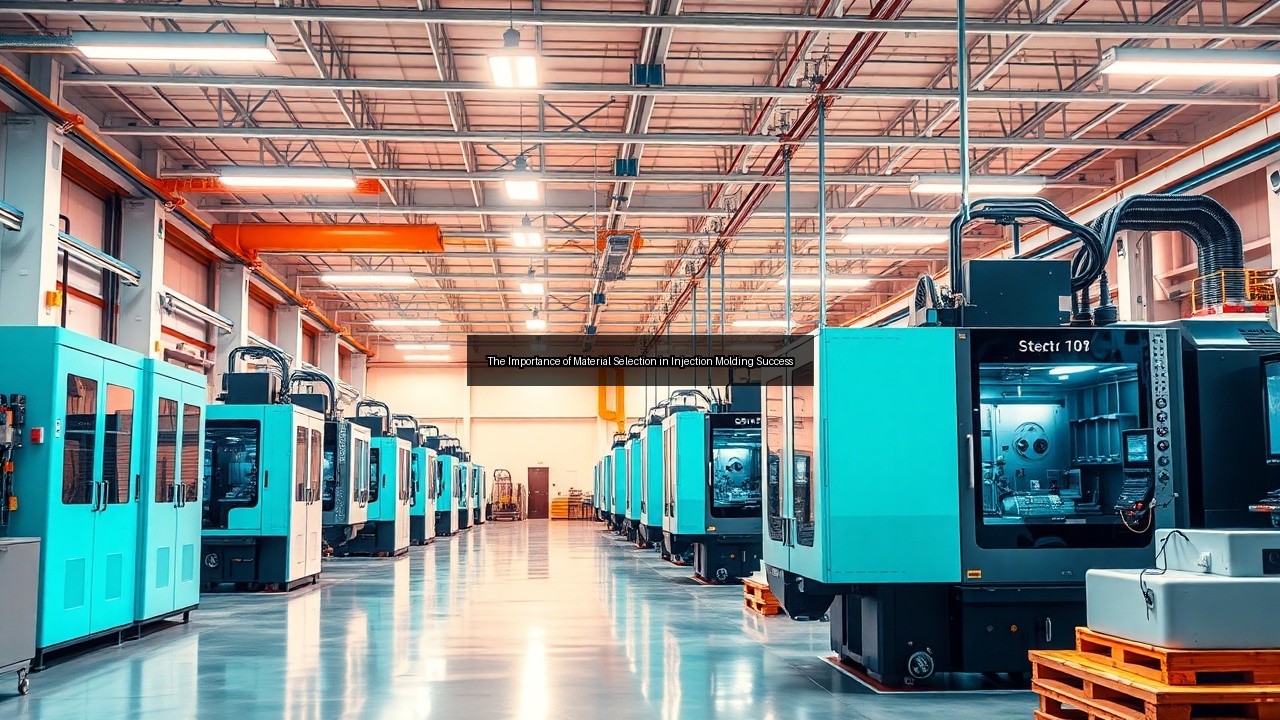
Understanding the Role of Material Selection in Injection Molding
The Basics of the Injection Molding Process
The injection molding process transforms raw plastic into finished products through a series of precise steps. It begins with melting plastic pellets, which are then injected into a mold under high pressure. The mold shapes the melted material, allowing it to cool and solidify into the desired form. After cooling, the mold opens, and the injection-molded part is ejected. This method allows for high-volume production of complex shapes with excellent dimensional accuracy. Understanding these fundamentals is crucial because the choice of material directly impacts the efficiency, cost, and quality of the injection-molded products.
Why Material Choice Matters in Injection Molding
Material selection is a critical factor that determines the success of the injection molding process. The right material not only contributes to the mechanical properties of the finished part but also affects production efficiency, cycle time, and overall costs. For example, using a material with good flow characteristics ensures that the molten plastic fills the mold completely, reducing defects and improving cycle times. Additionally, specific applications may require materials with unique properties such as heat resistance, flexibility, or chemical resistance. Therefore, manufacturers must analyze the requirements of the final product carefully before choosing the right plastics.
Common Materials Used in Plastic Injection Molding
Several materials dominate the landscape of plastic injection molding. Thermoplastics, such as ABS, polypropylene, and polycarbonate, are widely used due to their excellent mechanical and thermal properties. ABS offers strength and impact resistance, making it ideal for consumer products. Polypropylene is lightweight and chemical-resistant, often found in automotive components and packaging. On the other hand, polycarbonate is known for its transparency and durability, suitable for applications requiring visibility and strength. plastic injection molding company Each of these materials presents unique advantages, and understanding their characteristics is essential for optimizing the injection molding process.
Exploring Different Types of Injection Molding Techniques
An Overview of Two-Shot Injection Molding
Two-shot injection molding is an innovative technique that allows manufacturers to combine two different materials or colors into a single molded part. This process involves two injection cycles within the same mold, creating complex designs that would otherwise require assembly. Two-shot molding not only enhances functionality—such as combining hard and soft plastics for better grip—but also improves aesthetics. The seamless integration of materials reduces assembly time and costs, making this technique increasingly popular in consumer electronics and automotive applications. Manufacturers must select compatible materials that bond well to maximize the benefits of this injection molding method.
Comparing Traditional and Custom Plastic Injection Molding
Traditional plastic injection molding focuses on producing standard parts using established molds, making it a cost-effective solution for high-volume production runs. Conversely, custom plastic injection molding caters to unique specifications and more complex designs that traditional methods may not accommodate. This customization often involves creating specific molds tailored to the client's needs. While traditional methods excel in efficiency and lower costs for mass production, custom molding allows for greater flexibility in design and material selection. Manufacturers should consider their production goals and product requirements when choosing between these two approaches.
How Material Selection Influences Molding Techniques
The choice of material significantly shapes the molding techniques that manufacturers can employ. For instance, high-viscosity materials might require specific modifications in the injection process to ensure proper flow and filling of the mold. Additionally, some materials may necessitate pre-heating or specific cooling times to achieve plastic injection molding company optimal results. The interplay between material properties and molding techniques becomes critical when producing intricate designs, as certain materials perform better with specific techniques. Understanding these dynamics empowers manufacturers to select appropriate materials that align with their chosen molding processes, ultimately enhancing product quality.
Choosing the Right Plastic Injection Molding Manufacturer
Key Factors to Consider When Selecting a Manufacturer
Selecting a suitable plastic injection molding manufacturer is vital for achieving high-quality products. Start by assessing the manufacturer's experience and expertise in the specific type of injection molding and materials required for your project. Evaluate their production capabilities, including the range of materials they work with and their ability to handle both traditional and custom injection molding techniques. Additionally, consider their quality assurance processes, lead times, and customer service. A manufacturer that communicates effectively and understands your needs can significantly enhance your project's success. Understanding these factors will help you make an informed decision that aligns with your business goals.
Top Plastic Injection Molding Companies to Know
Several reputable plastic injection molding companies have established themselves as leaders in the industry. Companies like Nicolet Plastics stand out for their commitment to quality and innovative solutions. They offer a wide range of services, including custom injection molding and expertise in various materials, making them a reliable choice for businesses. Other notable companies include Protolabs and RJG, known for their advanced technologies and quick turnaround times. Researching and comparing these companies allows businesses to find a manufacturer that meets their specific needs, ensuring a successful partnership in the injection molding process.
The Importance of Manufacturer Expertise in Material Selection
The expertise of a plastic injection molding manufacturer plays a crucial role in effective material selection. Experienced manufacturers possess in-depth knowledge of various plastics and their properties, enabling them to recommend the best choices for specific applications. Their understanding of industry trends and innovations in materials can lead to better product outcomes, including improved durability, functionality, and aesthetics. Additionally, manufacturers with strong relationships with material suppliers can access the latest advancements in plastics, ensuring clients benefit from cutting-edge solutions. Partnering with a knowledgeable manufacturer streamlines the material selection process and enhances the overall success of injection molding projects.
Future Trends in Material Selection for Injection Molding
Innovations in Plastics for Injection Molding
The future of material selection in injection molding promises exciting innovations. Researchers and manufacturers continually develop advanced plastics that offer enhanced properties, such as improved strength-to-weight ratios and better thermal stability. Bio-based and biodegradable plastics are gaining traction as industries seek sustainable alternatives to traditional petroleum-based materials. Innovations also include composites, which combine plastics with other materials to achieve superior mechanical properties. Staying informed about these trends enables manufacturers to make strategic decisions that align with market demands while maintaining product integrity and performance.
Sustainable Practices in Material Selection
As environmental concerns rise, sustainable practices in material selection have become essential in the injection molding industry. Manufacturers are increasingly exploring eco-friendly materials, such as recycled plastics and bioplastics, which reduce environmental impact without sacrificing performance. Sustainable practices not only help companies meet regulatory requirements but also appeal to environmentally conscious consumers. Implementing recycling programs and sourcing materials from responsible suppliers can enhance a company's reputation and contribute to a circular economy. Embracing sustainability in material selection positions manufacturers as leaders in a market that values responsible production.
The Role of Advanced Technologies in Molding Success
Advanced technologies are reshaping the landscape of injection molding, particularly in material selection. The integration of artificial intelligence and machine learning enables manufacturers to analyze vast amounts of data, predicting the performance of various materials under different conditions. These technologies facilitate rapid prototyping and testing, allowing manufacturers to optimize material choices before full-scale production. Additionally, advancements in 3D printing and additive manufacturing are opening new avenues for material exploration, enabling the creation of complex geometries that traditional injection molding cannot achieve. Embracing these technologies enhances the overall success of injection molding projects and drives innovation in the industry.
See Also
- Comparing Plastic Injection Molding Suppliers for Your Manufacturing Needs
- Why Nicolet Plastics Stands Out Among Injection Molding Manufacturers
- How to Choose the Right Plastic Injection Molding Company for Your Project
- The Environmental Impact of Plastic Injection Molding and Sustainable Practices
- Key Challenges Faced by Plastic Injection Molding Manufacturers Today