Efficiency Hacks for Hydraulic Systems Through Superior Machining
Understanding Hydraulic Systems and Their Components
The Role of Hydraulics in Modern Machinery
Hydraulics plays a pivotal role in modern machinery, powering everything from construction equipment to manufacturing tools. The fundamental principle behind hydraulics involves the use of incompressible fluids to transmit force. This mechanism enables machines to perform heavy lifting and precise movements with remarkable efficiency. Hydraulic systems leverage this principle to convert mechanical energy into fluid power, allowing for seamless operation in various industries. The efficiency of hydraulic systems hinges on their components, which must operate flawlessly to ensure reliability and performance. Understanding how these systems function helps industries optimize their operations, reduce downtime, and enhance overall productivity.
Key Components of Hydraulic Systems
Hydraulic systems consist of several critical components that work together to facilitate smooth operation. Key components include hydraulic pumps, valves, actuators, and hydraulic fluids. Hydraulic pumps generate flow by converting mechanical energy into hydraulic energy, while valves control the direction and flow rate of the fluid. Actuators, such as hydraulic cylinders, convert this hydraulic energy back into mechanical energy to create motion. Each component must be machined to precise specifications to ensure efficiency. The quality of these components directly impacts the performance and longevity of hydraulic systems. Thus, selecting high-quality hydraulic machined parts is essential for maintaining optimal functionality.
Importance of Quality Assurance in Hydraulic Parts Manufacturing
Quality assurance in hydraulic parts manufacturing cannot be overstated. The performance of hydraulic systems relies heavily on the reliability of their components. Manufacturers that prioritize quality assurance implement rigorous testing and inspection protocols throughout the machining process. This includes checking for tolerances, material integrity, and surface finishes. By ensuring that hydraulic machined parts meet stringent standards, manufacturers can prevent failures and costly repairs down the line. Investing in quality assurance not only enhances the performance of hydraulic systems but also builds trust with clients. A reputable hydraulic parts manufacturer will demonstrate a commitment to quality, ensuring that their components can withstand the demands of various applications.
The Impact of Superior Machining on Hydraulic Efficiency
CNC Machining: A Game Changer for Hydraulic Parts
CNC machining has revolutionized the manufacturing of hydraulic machined parts, providing unparalleled precision and efficiency. Unlike traditional machining methods, CNC (Computer Numerical Control) machining allows for automated processes that enhance accuracy. CNC machines can produce complex shapes and intricate designs with minimal human intervention, reducing the potential for errors. This level of precision is crucial in hydraulic systems, where even the slightest deviation can lead to performance issues. Furthermore, CNC machining improves production speed, enabling manufacturers to meet increasing demand without compromising on quality. By investing in CNC technology, hydraulic parts manufacturers can significantly enhance the efficiency and reliability of their products.
Milling Techniques for Enhanced Performance
Milling techniques play a vital role in producing high-quality hydraulic machined parts. Various milling methods can be employed to achieve specific geometries and surface finishes required for hydraulic components. Techniques such as face milling, slab milling, and contour milling allow manufacturers to create intricate shapes that meet the design specifications of hydraulic systems. Precision milling minimizes the need for secondary operations, saving time and reducing costs. Additionally, advanced tooling materials and coatings can enhance tool life and performance, further contributing to the efficiency of hydraulic parts manufacturing. Adopting the right milling techniques ensures that manufacturers deliver components that perform optimally in demanding applications.
The Role of CNC Lathe in Manufacturing Hydraulic Components
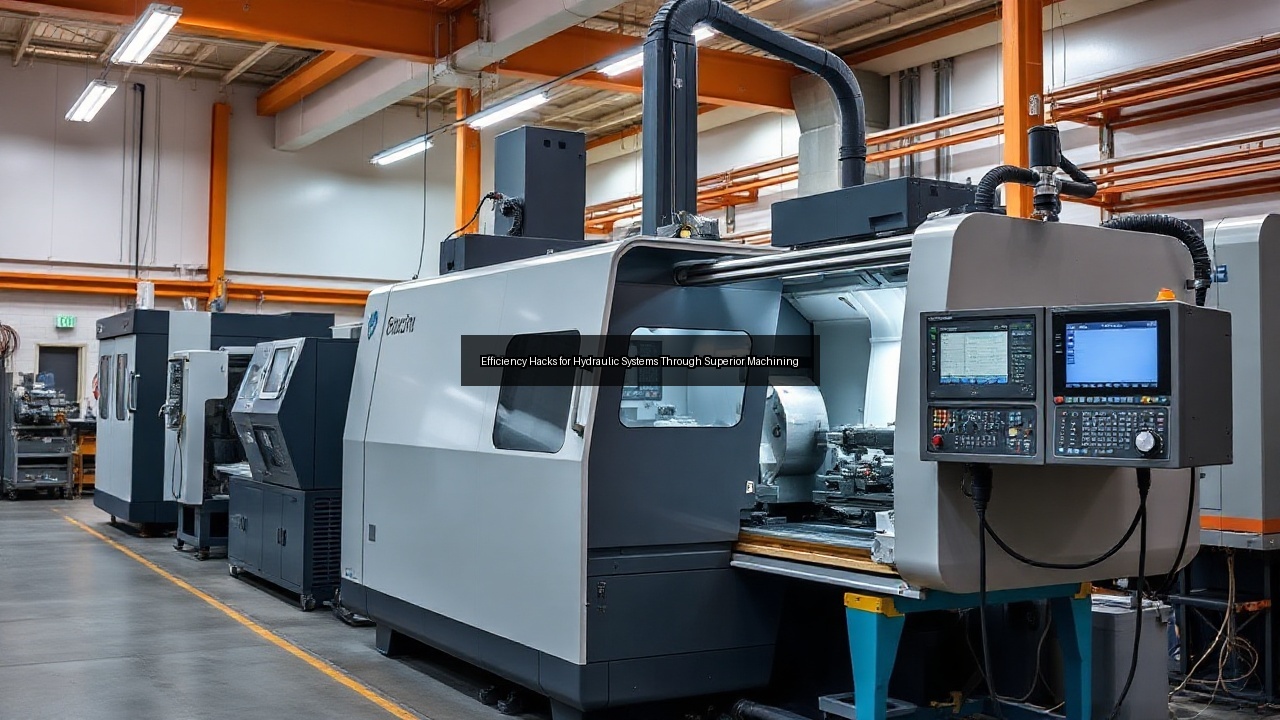
The CNC lathe plays a crucial role in the manufacturing of hydraulic components by enabling precise turning operations. This machining method is essential for producing cylindrical parts, such as shafts and fittings, commonly used in hydraulic systems. CNC lathes offer the advantage of automated operations, allowing for consistent quality and reduced cycle times. By utilizing CNC lathes, manufacturers can achieve tight tolerances and intricate designs that meet the stringent requirements of hydraulic applications. Moreover, the versatility of CNC lathes allows for the machining of various materials, including metals and plastics, further expanding the potential for innovation in hydraulic parts manufacturing. This technology is pivotal in enhancing the overall efficiency and performance of hydraulic systems.
Choosing the Right Hydraulic Machined Parts Manufacturer
Evaluating Manufacturing Solutions: FZE Manufacturing and More
Selecting the right hydraulic machined parts manufacturer requires careful evaluation of available solutions. FZE Manufacturing Solutions stands out as a reputable choice, known for its commitment to quality and precision. Their state-of-the-art facilities and advanced machining capabilities enable them to produce high-quality hydraulic parts that meet the demands of various industries. When evaluating manufacturers, consider their experience, certifications, and customer reviews. Additionally, assess their ability to provide customized solutions tailored to specific hydraulic applications. A manufacturer that demonstrates flexibility and responsiveness can significantly enhance your operational efficiency. Ensure that the chosen partner aligns with your quality standards and production requirements to optimize your hydraulic systems.
Comparing Industry Leaders: Hogge Precision vs. McCormick Industries
Hogge Precision and McCormick Industries are two prominent players in the hydraulic parts manufacturing landscape. Hogge Precision specializes in high-tolerance machining, making it a strong candidate for industries that require exceptional precision and reliability. Their use of advanced CNC technology and commitment to quality assurance sets them apart. On the other hand, McCormick Industries offers a diverse range of hydraulic machined parts and has established a reputation for customer service and rapid turnaround times. Comparing these manufacturers involves examining their product offerings, lead times, and pricing structures. Consider your specific needs and how each manufacturer’s strengths align with your operational goals. Making an informed choice will enhance the efficiency and reliability of your hydraulic systems.
What to Look for in a Hydraulic Parts Manufacturer
Choosing a hydraulic parts manufacturer involves several critical considerations. First, prioritize their expertise in machining hydraulic components. A manufacturer with a proven track record in producing hydraulic machined parts is essential for ensuring quality and reliability. Look for certifications that demonstrate adherence to industry standards, such as ISO 9001. Evaluate their production capabilities, including their use of advanced technologies like CNC machining and milling. Additionally, assess their ability to provide custom solutions tailored to your specific needs. Responsiveness to inquiries and clear communication throughout the manufacturing process are also vital for a successful partnership. A reliable hydraulic parts manufacturer will not only deliver quality products but also contribute to the overall efficiency of your operations.
Future Trends in Hydraulic Machining and Efficiency
Innovations in Hydraulic Machined Parts
The future of hydraulic machining promises exciting innovations that will enhance efficiency and performance. Ongoing research and development in materials science are leading to the creation of lighter, stronger materials for hydraulic components. These advancements allow for more efficient designs that reduce weight without sacrificing strength. Additionally, the integration of smart technologies, such as IoT sensors, into hydraulic systems is on the rise. These sensors provide real-time data on system performance, enabling predictive maintenance and reducing downtime. Innovations in hydraulic machined parts will likely focus on improving energy efficiency and sustainability, ensuring that hydraulic systems remain competitive in an evolving industrial landscape.
Sustainable Practices in Hydraulic Manufacturing
Sustainability is becoming an essential consideration in hydraulic manufacturing. Manufacturers are increasingly adopting eco-friendly practices to minimize their environmental impact. This includes using sustainable materials, reducing energy consumption during machining, and implementing recycling programs for scrap materials. By embracing sustainable practices, hydraulic parts manufacturers not only contribute to environmental preservation but also enhance their brand reputation. Customers are more inclined to partner with companies that prioritize environmental responsibility. Adopting these practices can also lead to cost savings and improved operational efficiency, making sustainability a win-win for manufacturers and their clients alike.
The Future of CNC Technology in Hydraulic Systems
The evolution of CNC technology continues to shape the future of hydraulic systems. Enhanced software capabilities are making CNC machines more intuitive and efficient, allowing for complex programming with ease. Innovations in automation, such as collaborative robots (cobots), are being integrated into CNC machining processes, further streamlining production. The ongoing development of additive manufacturing, or 3D printing, presents new opportunities for producing hydraulic components with intricate designs that were previously impossible. As CNC technology advances, manufacturers can expect improved efficiency, reduced lead times, and greater customization options for hydraulic machined parts. Staying abreast of these trends will empower manufacturers to maintain competitiveness and meet the evolving needs of their customers.
See Also
- How Hogge Precision is Redefining Hydraulic Machined Components
- FZE Manufacturing Solutions and the Art of Hydraulic Machining
- Innovations in Hydraulic Machined Parts for Modern Manufacturing
- Sustainable Practices in the Manufacturing of Hydraulic Components
- Understanding the Lifecycle of Hydraulic Machined Parts