Fluid Dynamics and Its Impact on Hydraulic Component Machining
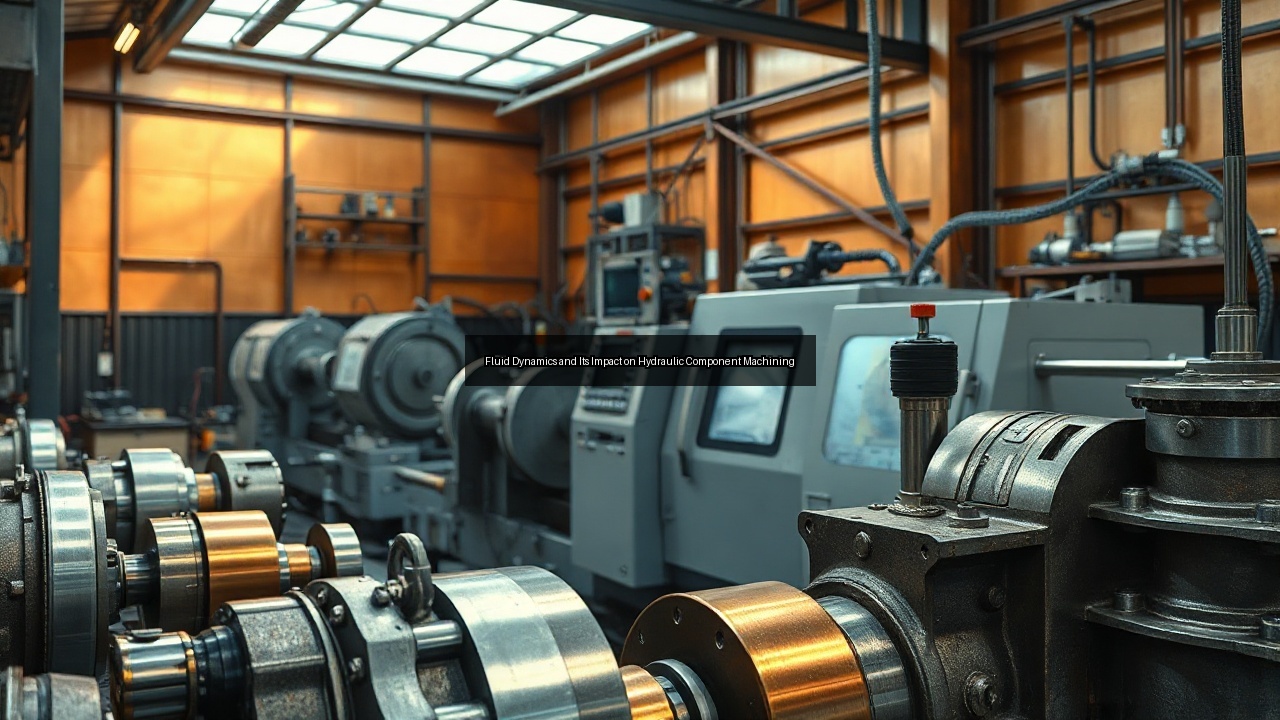
Understanding Fluid Dynamics in Hydraulic Systems
The Role of Fluid Dynamics in Hydraulic Efficiency
Fluid dynamics directly shapes hydraulic component machining by dictating how fluids move through machined parts like pistons and spools. Manufacturers achieve higher efficiency when they machine components to precise internal geometries that reduce turbulence and pressure drops. Hydraulic systems operate at peak performance only when flow paths maintain laminar conditions, which demands tight control during cnc machining. Companies that specialize in hydraulic component machining services focus on surface finishes that prevent energy loss. Proper design of channels inside forgings and machined metal parts translates fluid principles into measurable gains in system output and lower operating costs across hydraulic equipment. For example, optimizing the curvature of internal passages can reduce energy losses by up to 15 percent in high-flow pumps, directly improving fuel efficiency in mobile machinery.
Key Principles of Fluid Dynamics
Key principles such as viscosity, Reynolds number, and boundary layer behavior guide every step of hydraulic component machining. Machinists apply these concepts when they set feed rates on cnc lathe equipment to create smooth bores that support consistent fluid velocity. Hydraulic manufacturers study pressure gradients to determine ideal tolerances for valves and cylinders. Fluid dynamics also influences how coolant flows across cutting tools during grinding operations, extending tool life and maintaining accuracy. These principles help engineers predict wear patterns in high-pressure environments and adjust machining parameters accordingly for reliable hydraulic systems. In practice, maintaining Reynolds numbers below 2000 in critical orifices ensures laminar flow, while advanced simulation software allows machinists to preview how minor surface imperfections might trigger early turbulence.
Impact of Fluid Dynamics on Hydraulic Component Design
Fluid dynamics forces designers to reconsider every contour and passage in hydraulic component machining. Rounded edges and polished interiors reduce cavitation risks that shorten component life. Swiss-style machining centers excel at producing the intricate cross-drilled features required for balanced flow in complex manifolds. Manufacturers incorporate computational fluid analysis early in the process so that final machined parts meet both performance and durability targets. This approach minimizes waste and ensures that hydraulic equipment delivers consistent power without excessive heat generation or vibration. By integrating CFD results with CAD models, engineers can iterate designs to eliminate dead zones where fluid stagnates, thereby extending service life in cyclic applications such as press brakes and injection molding machines.
Machining Processes for Hydraulic Components
CNC Machining Techniques for Precision Parts
CNC machining techniques deliver the accuracy required for hydraulic component machining across pistons, spools, and valve bodies. Multi-axis machining centers handle complex contours that direct fluid efficiently while holding tight tolerances. Operators program tool paths that account for material spring-back in tool steels and corrosion-resistant alloys. Automated tool changers keep production moving without compromising surface quality. Hydraulic manufacturers rely on these methods to produce parts that integrate seamlessly into larger systems, reducing assembly time and leak risks in finished hydraulic equipment. Five-axis simultaneous milling, for instance, enables the creation of contoured ports that minimize flow disruption, while in-process probing verifies dimensional accuracy without removing parts from the machine.
The Importance of Tolerances in Hydraulic Component Machining
Tolerances determine whether a machined hydraulic component will function without leakage or premature wear. Hydraulic component precision machining routinely holds dimensions within microns to preserve fluid sealing integrity. Even slight deviations in spool diameters or piston clearances alter flow characteristics and reduce overall system efficiency. Quality-focused companies document every tolerance check during cnc machining to meet customer specifications. Maintaining these standards prevents costly rework and supports long service intervals in demanding applications. Typical spool-to-sleeve clearances of 2–5 microns require temperature-controlled environments during final machining to counteract thermal expansion that could otherwise push parts out of specification.
Grinding and Finishing Techniques for Hydraulic Components
Grinding and finishing operations refine surfaces after initial cnc machining to meet the demands of fluid dynamics. Honing creates cross-hatch patterns inside cylinders that retain lubricant while allowing smooth piston travel. Superfinishing removes microscopic peaks that could disrupt laminar flow in hydraulic systems. Manufacturers apply these techniques to both metal and plastics components, ensuring corrosion-resistant properties remain intact. Proper finishing reduces friction, extends seal life, and maintains the efficiency gains achieved through careful component design. Plateau honing, a specialized variant, produces a bearing surface that shortens break-in periods and lowers initial leakage rates in new hydraulic cylinders.
Materials and Technologies in Hydraulic Component Machining
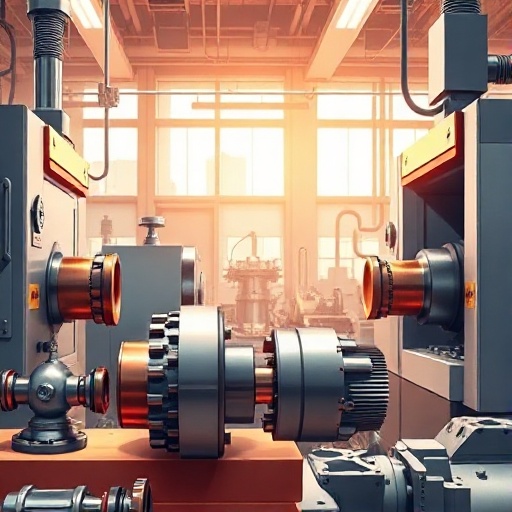
Selecting the Right Tool Steels for Hydraulic Components
Tool steels chosen for hydraulic component machining must balance hardness with machinability to withstand high pressures and cyclic loading. Manufacturers select grades that resist wear on sealing surfaces while allowing clean chip formation during turning and milling. Proper heat treatment before final grinding ensures dimensional stability across temperature swings common in hydraulic equipment. These material decisions directly affect how well finished parts maintain fluid dynamics performance over thousands of operating hours. Popular choices such as AISI 4140 and S7 tool steel receive precise austenitizing and tempering cycles that achieve core toughness without sacrificing the surface hardness needed for high-pressure sealing lands.
Machinability of Plastics and Corrosion-Resistant Materials
Plastics such as PTFE offer excellent corrosion resistance in hydraulic component machining when paired with the right cutting parameters. Low thermal conductivity requires controlled speeds on cnc lathe machines to avoid material distortion. Corrosion-resistant stainless and nickel alloys demand sharp tools and adequate coolant to prevent work hardening. Manufacturers that master these materials expand their hydraulic component machining capabilities into marine and chemical processing markets where traditional metals fail quickly. Emerging options like PEEK and PPS provide higher temperature resistance and can replace metal parts in low-pressure valves, reducing weight while preserving chemical compatibility.
Innovations in Automated Machining Technologies
Automated machining technologies transform hydraulic component manufacturing by integrating real-time monitoring with cnc machining centers. Robotic loading systems reduce handling damage on delicate spools and pistons. Adaptive control software adjusts feeds based on tool wear, maintaining consistent tolerances throughout long production runs. These advances lower waste and allow manufacturers to scale hydraulic component machining services without sacrificing the precision fluid dynamics require. In addition, machine-learning algorithms now predict tool-life endpoints with over 95 percent accuracy, enabling predictive maintenance that minimizes unplanned downtime on high-volume valve body lines.
Quality Assurance in Hydraulic Component Manufacturing
ISO 9001 Standards and Their Importance in Machining
ISO 9001 certification drives disciplined processes throughout hydraulic component machining. Documented procedures cover everything from incoming forgings inspection to final surface finish verification. Manufacturers that follow these standards reduce variation in critical dimensions that affect fluid flow. Regular audits ensure that every machining center operates within validated parameters, giving customers confidence in the reliability of supplied hydraulic components. Traceability requirements further mandate that each batch of raw material be linked to final inspection records, supporting root-cause analysis if field performance deviates from expectations.
Quality Control Techniques for Hydraulic Components
Quality control techniques combine coordinate measuring machines with pressure testing to validate hydraulic component machining results. Air gauging checks internal diameters on spools faster than traditional methods while maintaining micron-level accuracy. Statistical process control tracks trends in grinding operations so operators can correct issues before tolerances drift. These methods protect system efficiency and prevent field failures in hydraulic equipment. Functional testing under cyclic pressure further confirms that each component maintains sealing integrity after thousands of simulated duty cycles.
Ensuring Durability and Wear Resistance in Machined Parts
Durability in hydraulic components depends on material selection and finishing processes that resist abrasive wear from fluid contaminants. Manufacturers apply coatings after precision machining to protect sealing lands on pistons and valves. Wear testing under simulated operating conditions confirms that parts will maintain performance throughout expected service life. This focus on longevity reduces maintenance intervals and supports continuous operation in construction and agricultural machinery. Advanced surface treatments such as diamond-like carbon coatings can extend component life by 30–50 percent in contaminated environments.
Applications of Hydraulic Components Across Industries
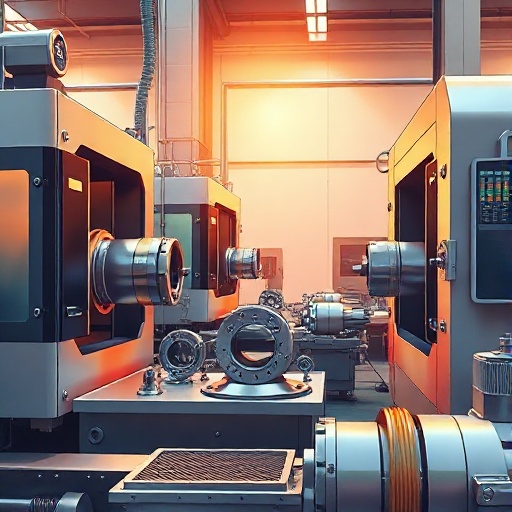
Hydraulic Components in Aerospace and Automotive Engineering
Aerospace and automotive engineering demand hydraulic component machining that meets extreme weight and reliability requirements. Lightweight forgings machined to tight tolerances power flight controls and braking systems where fluid dynamics must remain stable under rapid pressure changes. Automotive manufacturers integrate precision-machined valves into suspension and steering systems that deliver responsive handling. Both sectors rely on suppliers who combine advanced cnc machining with rigorous quality assurance to produce components that perform safely over millions of cycles. In aircraft, for example, servo valves with 1-micron spool fits enable precise actuator positioning critical for fly-by-wire stability.
The Role of Hydraulic Systems in Construction Equipment
Construction equipment depends on robust hydraulic systems built from accurately machined cylinders, pumps, and valves. Hydraulic component machining services produce large-bore pistons that generate the force needed for excavators and loaders. Tolerances held during grinding ensure smooth operation even when machines work in dusty environments. Manufacturers design these parts for easy field repair, keeping construction projects on schedule while maximizing equipment uptime. Quick-disconnect manifold designs further allow rapid cylinder swaps without specialized tools, minimizing downtime on remote job sites.
Hydraulic Components in Agriculture and Marine Applications
Agriculture and marine applications require corrosion-resistant hydraulic components that withstand harsh conditions. Machined parts made from stainless steels and plastics like PTFE resist saltwater and fertilizer exposure while maintaining fluid integrity. Hydraulic component machining centers produce custom manifolds that fit compact tractor designs and ship steering gear. These specialized components improve efficiency in planting, harvesting, and vessel maneuvering, demonstrating the broad impact of precise manufacturing across diverse industries. In marine steering systems, nickel-aluminum-bronze manifolds resist biofouling while preserving laminar flow at varying sea temperatures.