Troubleshooting Common Issues with Barrel Gauges in Industrial Settings
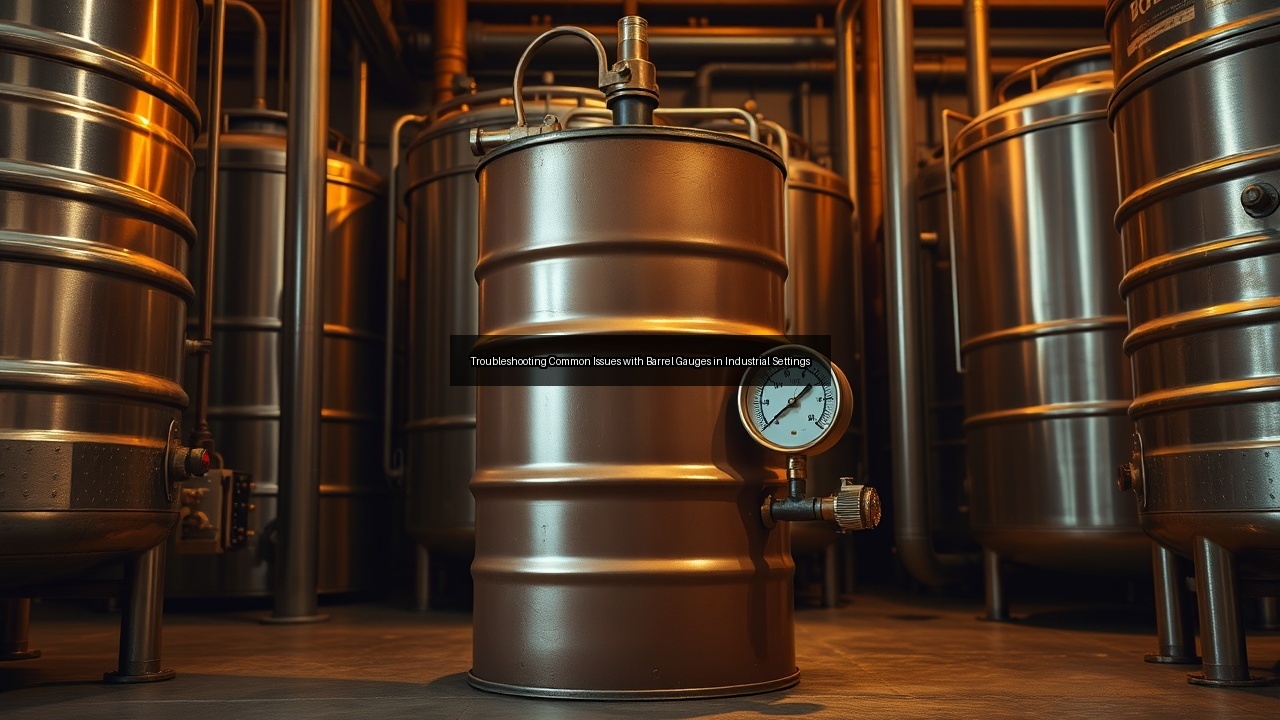
Understanding Barrel Gauges in Industrial Settings
The Importance of Accurate Measurement
Accurate measurement drives safety and efficiency across industrial operations that rely on barrel gauges. Workers depend on these devices to track liquid levels in drums and tanks without guesswork. Precise readings prevent overfills that lead to spills or underfills that disrupt production schedules. Barrel gauge technology supports compliance with strict regulations in facilities handling hazardous materials. Operators gain real-time data that informs decisions about inventory management and prevents costly downtime. Reliable gauges reduce waste and protect equipment from damage caused by improper fluid handling. Facilities across the united states prioritize consistent measurement to maintain operational standards and avoid regulatory penalties. Barrel gauges deliver the data needed for effective process control in demanding environments.
Measurement errors compound quickly when gauges fail to perform. Inaccurate readings can trigger equipment failures or safety incidents that halt entire lines. Companies invest in quality barrel gauges because they deliver dependable results under continuous use. Accurate data also supports cost control by minimizing product loss during transfers from 55 gallon drum containers. Teams that monitor levels closely avoid emergency responses and keep workflows steady. Barrel gauge precision ultimately safeguards personnel and assets while supporting productivity goals.
Common Applications of Barrel Gauges in the United States
Barrel gauges serve critical roles in manufacturing plants, chemical processing sites, and oil refineries throughout the united states. Workers use them to monitor contents in 55 gallon drum storage and larger tanks that hold fuels or solvents. These gauges support daily inventory checks that keep supply chains moving without interruption. Food and beverage operations apply barrel gauges to track ingredients in drum containers during mixing processes. Agricultural facilities rely on them for fertilizer and pesticide storage in tanks where level accuracy prevents waste.
Petroleum distributors employ barrel gauges to measure fuel volumes in drum and tank systems at distribution centers. Water treatment plants use similar gauges to track chemical dosing from drum supplies. The versatility of barrel gauges extends to pharmaceutical production where sterile conditions demand exact measurements. Industrial maintenance teams install these devices on tanks to support preventive strategies. Barrel gauges integrate into systems that handle everything from lubricants to acids, providing reliable data across sectors. Their widespread use in the united states reflects the need for robust measuring tools in high-volume operations.
Common Issues with Barrel Gauges
Calibration Problems
Calibration problems surface when barrel gauges drift from their original settings after extended operation. Repeated exposure to pressure cycles causes internal components to shift and produce inconsistent readings. Operators notice discrepancies when comparing gauge outputs against known volumes in a 55 gallon drum. These errors often stem from improper initial setup or lack of scheduled adjustments. Barrel gauges require periodic verification to maintain accuracy in measuring tasks. Unaddressed calibration issues lead to cumulative mistakes that affect batch quality or inventory records.
Mechanical wear inside the gauge mechanism accelerates calibration drift in high-use environments. Temperature fluctuations during storage or transport further alter sensor performance. Facilities that skip routine checks experience sudden failures during critical transfers from tanks. Calibration problems also arise from incompatible fluids that corrode sensitive parts over time. Regular monitoring helps identify these deviations early and preserves the reliability of barrel gauges in industrial workflows.
Wear and Tear Over Time
Wear and tear degrade barrel gauges through constant mechanical stress and exposure to abrasive materials. Moving parts inside the gauge housing lose tolerance after months of repeated level changes in drums. Seals and diaphragms crack under pressure cycles, allowing leaks that compromise readings. Barrel gauges installed on tanks handling viscous liquids show accelerated component fatigue. Physical abrasion from particles in the measured fluid erodes internal surfaces and reduces responsiveness.
Prolonged service in continuous operations shortens the lifespan of barrel gauges without proper attention. Corrosion from aggressive chemicals attacks metal components and distorts measurement scales. Operators observe sluggish needle movement or stuck indicators as clear signs of accumulated damage. Wear patterns differ based on fluid type and operating frequency, yet all barrel gauges eventually require replacement parts. Monitoring usage hours helps predict when wear will impact performance on critical tank systems.
Environmental Factors Affecting Measurements
Environmental factors disrupt barrel gauge accuracy through temperature extremes, humidity, and vibration in industrial sites. High heat expands materials inside the gauge and shifts calibration points during summer months. Cold conditions contract components and produce false low readings on tanks. Barrel gauges mounted outdoors face direct sunlight that warps housings and affects internal sensors. Moisture infiltration corrodes electrical contacts in humid climates common across parts of the united states.
Vibration from nearby machinery transmits through mounting points and causes erratic gauge behavior. Dust and debris accumulate around seals, blocking proper movement during level fluctuations in 55 gallon drum setups. Chemical vapors in the air interact with gauge materials and accelerate degradation. These factors combine to create unpredictable measurement errors that operators must track closely. Barrel gauges perform best when installations account for local environmental conditions from the start.
Troubleshooting Techniques
Identifying Calibration Errors
Identifying calibration errors begins with cross-checking barrel gauge readings against a known reference volume. Operators fill a standard 55 gallon drum to a marked level and compare the gauge output for deviations. Consistent offsets indicate the need for adjustment before further use on tanks. Recording multiple readings over time reveals gradual drift patterns that point to calibration issues. Barrel gauges equipped with digital displays allow quick comparison against manual dipstick measurements for verification.
Systematic testing under varied conditions isolates whether errors stem from temperature or mechanical sources. Technicians apply known pressures to the gauge and observe response consistency. Documenting results helps determine if recalibration will restore accuracy or if replacement becomes necessary. Early detection prevents larger discrepancies during actual measuring operations involving barrels and tanks. This approach keeps barrel gauges functional and trustworthy across shifts.
Checking for Physical Damage
Checking for physical damage requires a thorough visual inspection of barrel gauge exteriors and mounting hardware. Operators look for cracks in the housing, bent needles, or corroded fittings that affect performance. Damaged seals around the connection point to drums often allow fluid ingress that ruins internal mechanisms. Barrel gauges on tanks should undergo checks after any impact or vibration event. Scratches on the dial face may obscure readings and require immediate attention.
Technicians test mechanical movement by gently manipulating the gauge to detect binding or looseness. Replacement of worn gaskets prevents leaks that compound damage over time. Documenting observed issues supports maintenance records and guides future troubleshooting. Physical damage frequently appears first at connection points where barrel gauges interface with 55 gallon drum or tank systems. Routine inspections catch these problems before they escalate into measurement failures.
Evaluating Environmental Impact
Evaluating environmental impact starts with documenting the operating conditions around each barrel gauge installation. Operators record temperature ranges, humidity levels, and vibration sources near tanks and drums. Comparing these notes against gauge performance logs reveals correlations between conditions and reading errors. Barrel gauges in exposed locations often show faster degradation from UV exposure or precipitation. Shielding installations with covers reduces direct environmental stress on sensitive components.
Monitoring seasonal changes helps predict when environmental factors will influence measurements most strongly. Facilities in the united states adjust gauge placements based on local climate data to minimize impact. Regular evaluation includes testing gauge response after extreme weather events. This process identifies whether relocation or protective measures will stabilize barrel gauge output. Addressing environmental influences extends service life and maintains measurement reliability across industrial applications.
Maintenance Tips for Barrel Gauges
Regular Calibration Procedures
Regular calibration procedures keep barrel gauges aligned with true volume measurements in drums and tanks. Technicians follow manufacturer schedules that typically recommend checks every three to six months depending on usage intensity. They apply certified reference standards to verify accuracy across the full range of the gauge. Barrel gauges handling variable fluids require more frequent calibration to account for density changes. Documenting each session creates a traceable history that supports compliance audits.
Adjustment involves fine-tuning internal mechanisms until readings match the reference exactly. Operators perform zero-point checks daily as part of basic routines before starting shifts. Calibration also includes verifying response time during simulated level changes in a 55 gallon drum. Consistent procedures prevent gradual errors from affecting production data. Facilities that maintain strict calibration programs experience fewer unexpected issues with barrel gauges over their operational life.
Cleaning and Care for Longevity
Cleaning and care routines protect barrel gauges from buildup that interferes with accurate measuring. Operators wipe external surfaces regularly to remove dust, oil residues, and chemical splashes from drum handling areas. Internal components need flushing with compatible solvents when gauges process viscous or particulate-laden fluids from tanks. Barrel gauges benefit from scheduled disassembly for deep cleaning of seals and sensors. Proper lubrication of moving parts reduces friction and extends mechanical life.
Storage practices matter when gauges sit idle between uses. Keeping them in dry, temperature-controlled spaces prevents corrosion during downtime. Technicians inspect and replace gaskets during cleaning cycles to maintain seal integrity. Care routines also include checking mounting brackets for tightness to avoid vibration damage. These steps preserve barrel gauge function and reduce the frequency of replacements in industrial settings.
Best Practices for Installation and Usage
Best practices for installation begin with selecting the correct barrel gauge model for the specific tank or drum application. Proper mounting orientation ensures accurate readings by aligning the sensor with gravity. Operators secure connections tightly to prevent leaks at the interface with 55 gallon drum fittings. Barrel gauges require adequate clearance from heat sources and moving equipment to avoid environmental interference. Initial setup includes baseline calibration before the device enters service.
Usage guidelines emphasize avoiding overpressure conditions that stress internal parts. Operators train staff to interpret gauge outputs correctly and report anomalies promptly. Regular rotation of gauges between high-use and low-use locations balances wear across equipment. Following these practices maximizes reliability and supports consistent performance in measuring tasks. Barrel gauges installed and operated according to guidelines deliver dependable data for industrial operations.
When to Seek Professional Help

Signs That Indicate Professional Calibration is Required
Signs that indicate professional calibration is required include persistent reading errors that resist basic adjustments. When barrel gauges show deviations beyond acceptable tolerances during routine checks, external experts provide the necessary precision equipment. Repeated drift after in-house calibration points to deeper mechanical issues best handled by specialists. Facilities notice these patterns when comparing multiple gauges on similar tanks or 55 gallon drum setups.
Erratic behavior under stable conditions also signals the need for professional intervention. Operators observe sudden jumps in readings without corresponding level changes in the drum. Professional services restore accuracy using certified tools unavailable in most plant settings. Delaying expert calibration risks compounding errors that affect safety and inventory control. Recognizing these indicators early protects overall system integrity.
Choosing the Right Gauge Service Provider
Choosing the right gauge service provider involves verifying certifications and experience with barrel gauges in industrial environments. Providers should demonstrate familiarity with tanks, drums, and 55 gallon drum applications common in the united states. References from similar facilities help confirm reliability and response times. Operators evaluate turnaround speed and on-site service options to minimize operational disruption.
Transparent pricing and detailed reporting distinguish quality providers from competitors. The selected partner must offer traceable calibration records that support regulatory compliance. Long-term service agreements often include preventive maintenance that extends barrel gauge lifespan. Facilities benefit from providers who understand environmental factors affecting measurements in specific regions. Careful selection ensures consistent support for critical measuring equipment.
See Also
- Barrel Gauges Explained A Deep Dive into Measuring Liquid Volumes
- Comparing Digital and Analog Barrel Gauges for Precision Measurement
- Maximizing Efficiency with Advanced Barrel Gauge Technologies
- The Evolution of Barrel Gauges and Their Impact on Storage Solutions
- Exploring the Importance of Barrel Gauges in Environmental Safety Regulations